
 admin
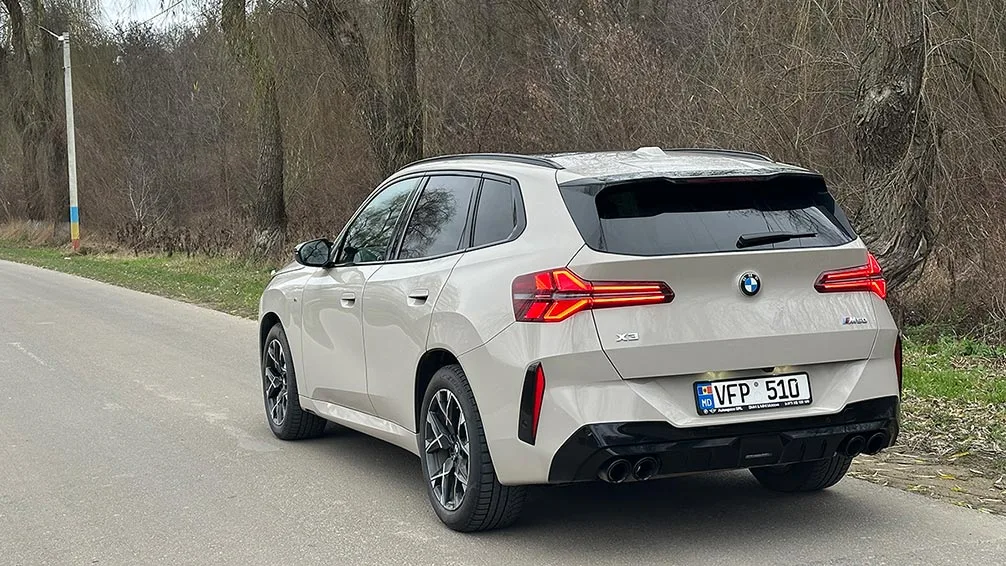
BMW uses one of the best automatic gearboxes in the world: the ZF 8HP, built by the German company ZF in several versions. It works flawlessly even behind very powerful engines. But there is one thing car enthusiasts still can’t understand: BMW says the oil in this gearbox never needs to be changed. The oil filled at the factory is “lifetime” oil.
According to BMW, you don’t need a preventive oil change at 100,000, 150,000 or even 200,000 km. The oil is only changed when the gearbox already has a problem, like harsh or jerky shifts, and by then it is usually too late to help. In real life, these gearboxes can run up to about 150,000 km (around 93,000 miles) on the original oil. After that, if the oil has never been changed, problems are almost certain.
Ask any mechanic who works on BMWs every day and they will all tell you the same: change the oil anyway, and ignore the “lifetime” claim. Even ZF itself has internal documents that recommend changing the oil at 150,000 km at the latest.
A preventive oil change at 75,000 km, still under warranty
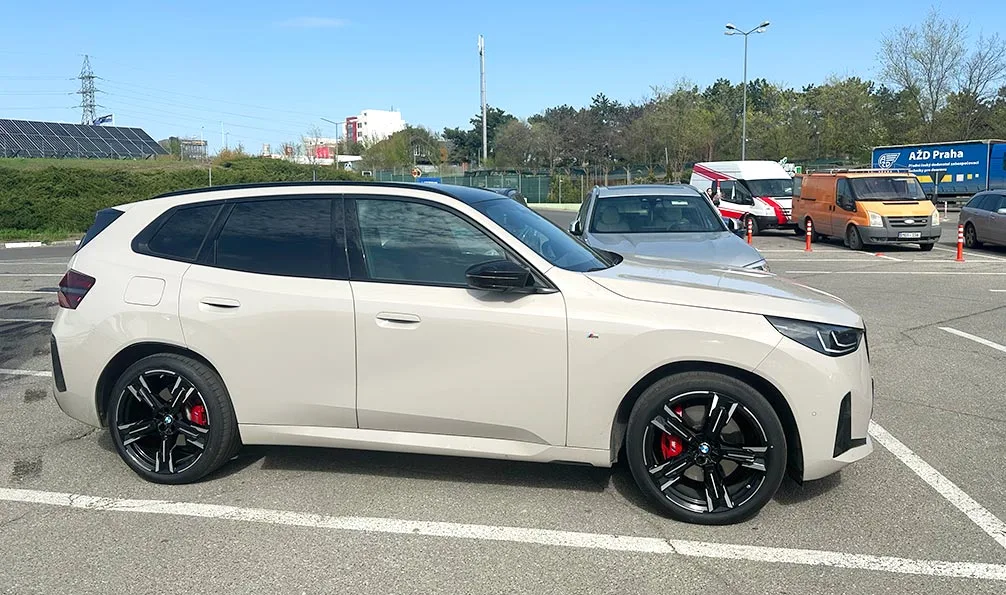
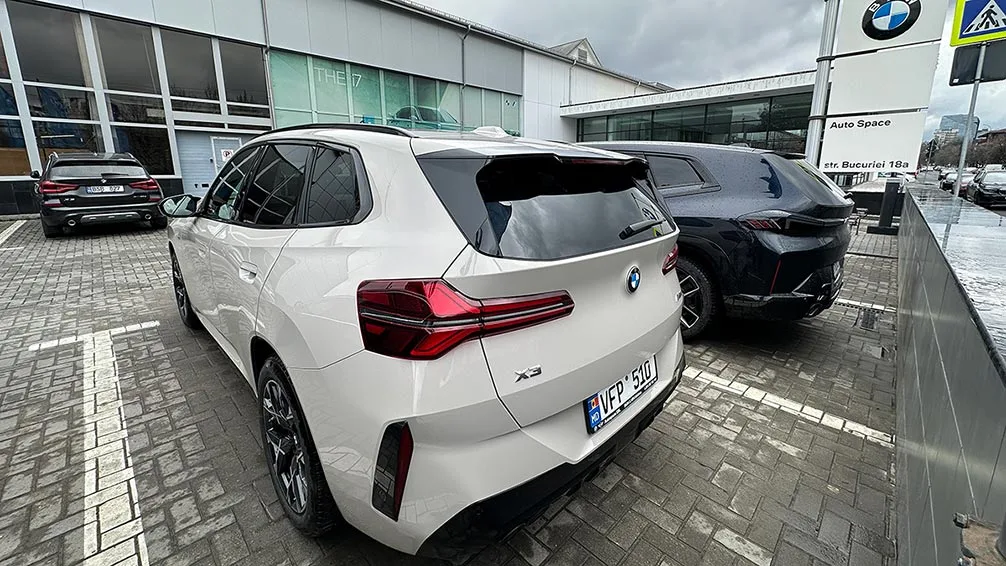
Ilie Toma, editor of the Moldovan car site PiataAuto.md, decided to do exactly what BMW doesn’t recommend. He changed the gearbox oil in his BMW X3 M50 (G45) at 75,000 km (about 47,000 miles), while the car was still under warranty.
A year earlier, the staff at the official BMW service had told him the change was a good idea. But they also warned that it could be tricky under warranty, since it goes against the manufacturer’s schedule. In practice, very few cars reach 75,000–80,000 km in their first two years, so the question rarely comes up.

That summer, at 65,000 km, he had already changed the oil in both differentials and the transfer case. The old oil, especially from the rear differential, showed how much that job was needed. So when the next service came up, the gearbox was next. His mechanic at the official BMW dealer agreed.
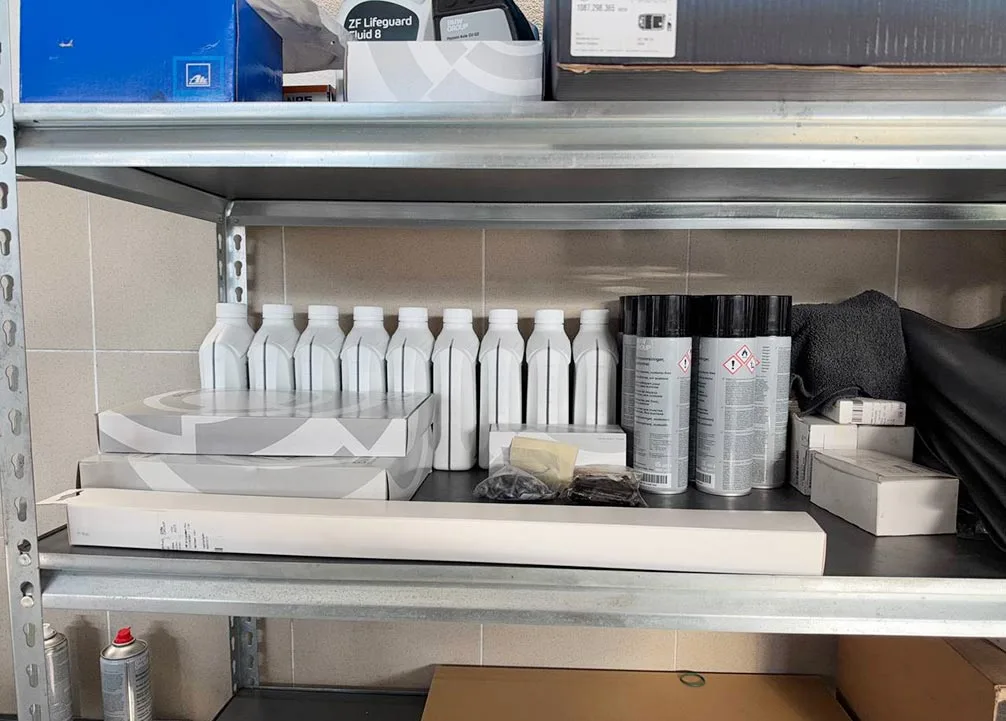
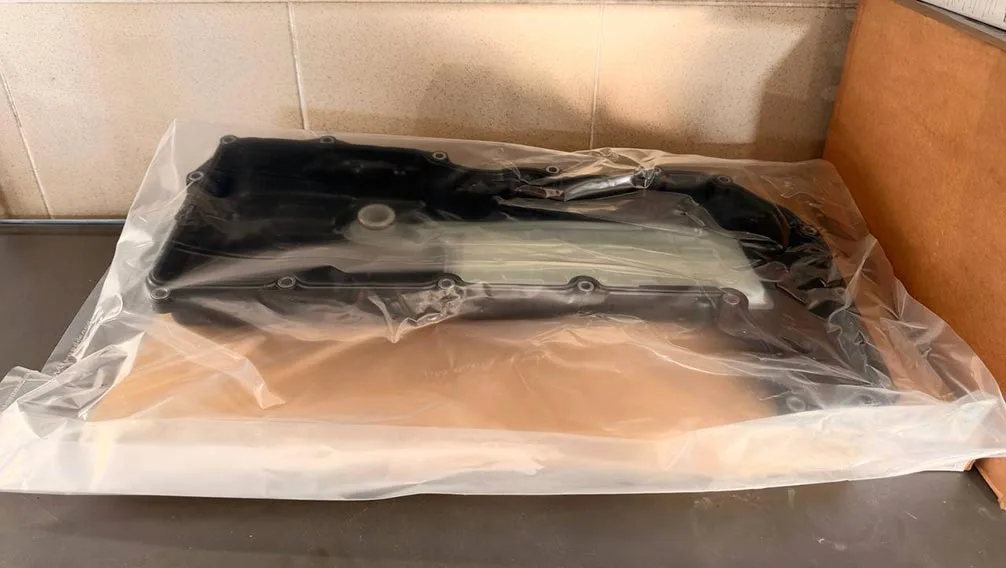
When he booked the job, there was no argument about the warranty. The dealer only reminded him that the procedure “isn’t strictly necessary” and asked whether he wanted it done on his own initiative. He did. The dealer then ordered the complete oil-change kit: a new oil pan, new filters, new seals and the right amount of oil.
What came out of the gearbox
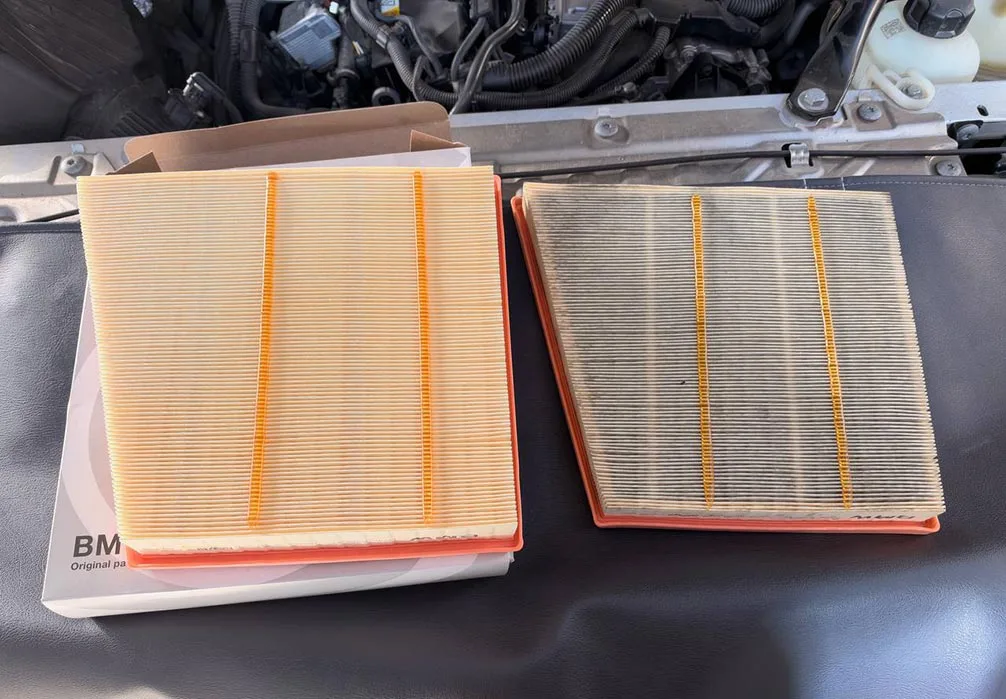
The visit started with the usual engine oil and filter change. This time the BMW service plan also included the engine air filter and the cabin filter. He changes the air filter every 10,000 km anyway, even though the official interval is 20,000–30,000 km.
The X3 M50 has 398 hp, so more torque goes through the gearbox, and he expected the oil to be quite worn. The good news: the oil was dark, but still slightly see-through. That means it wasn’t badly worn, and the change was made at the right time, before any damage.
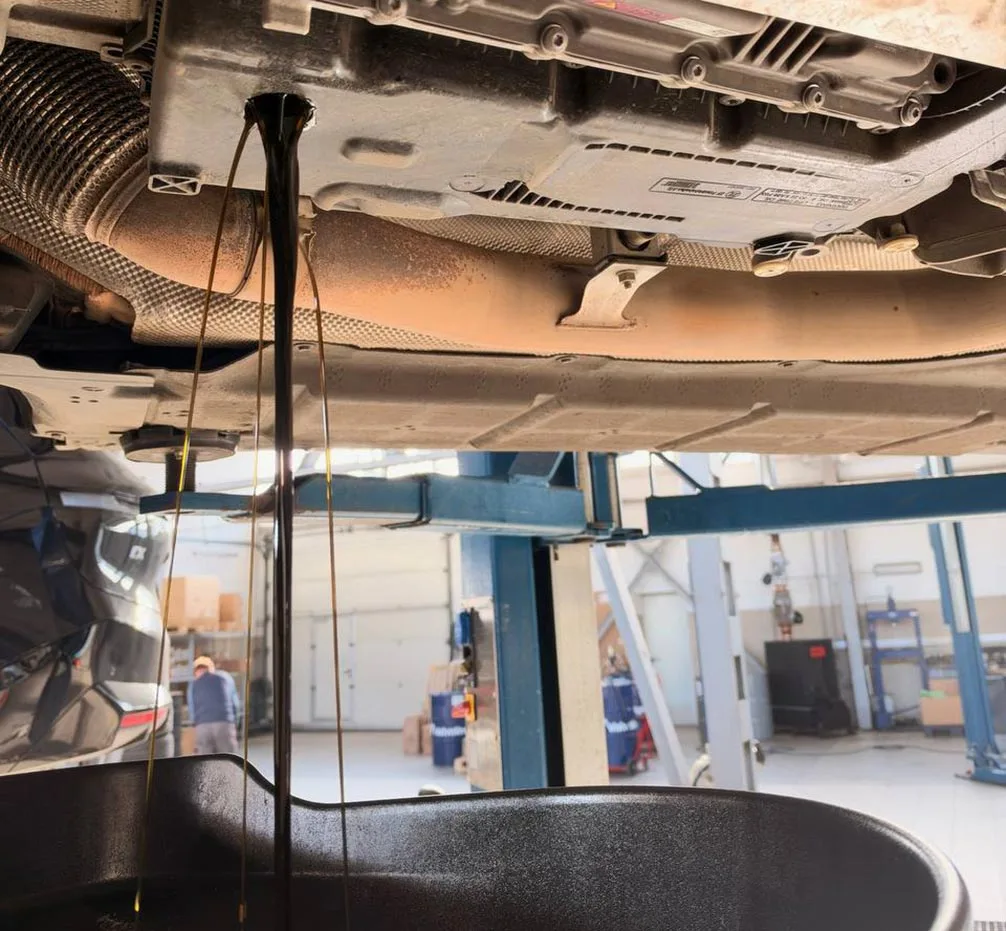
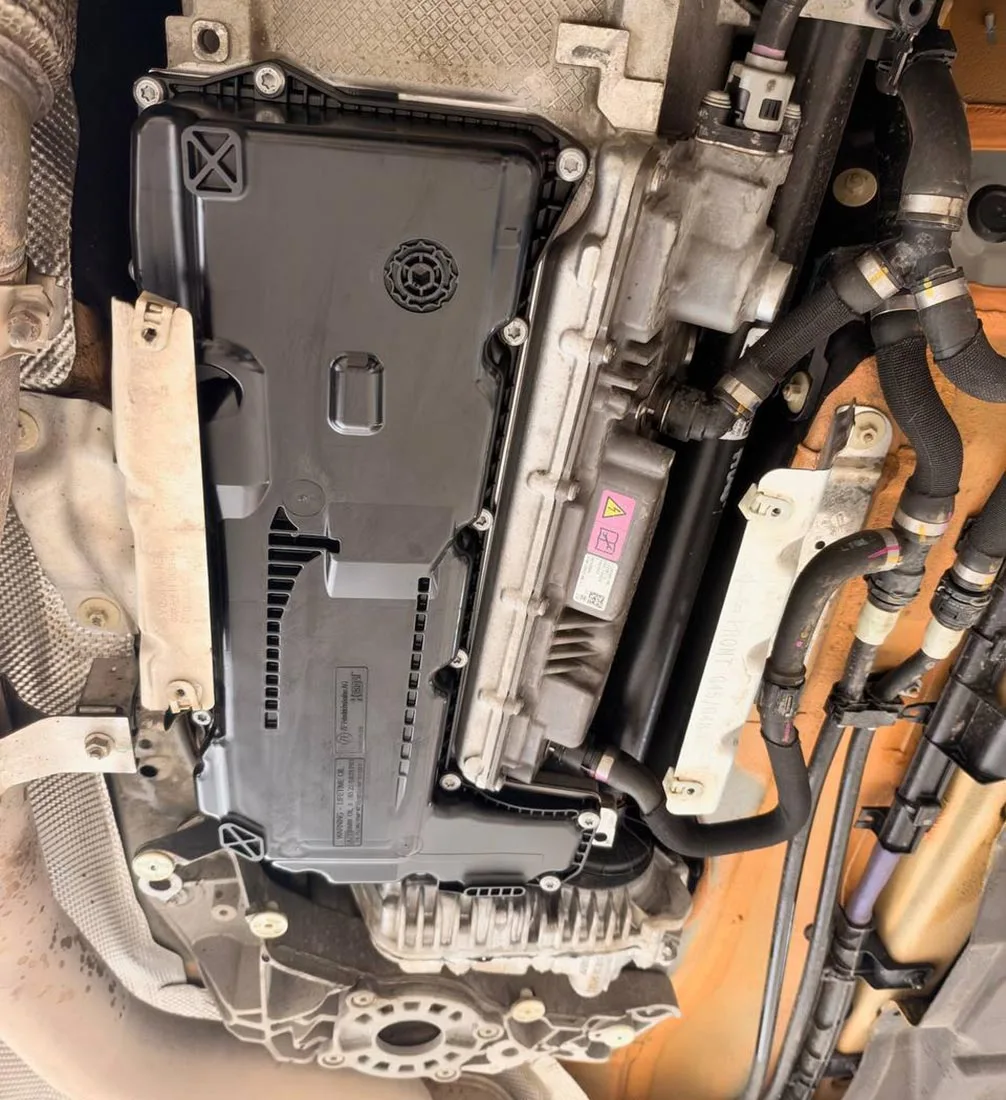
The old oil pan was then removed completely. These pans can’t be reused, which is why the kit includes a new original ZF pan. The main filter is built into the pan, so it is replaced together with it.
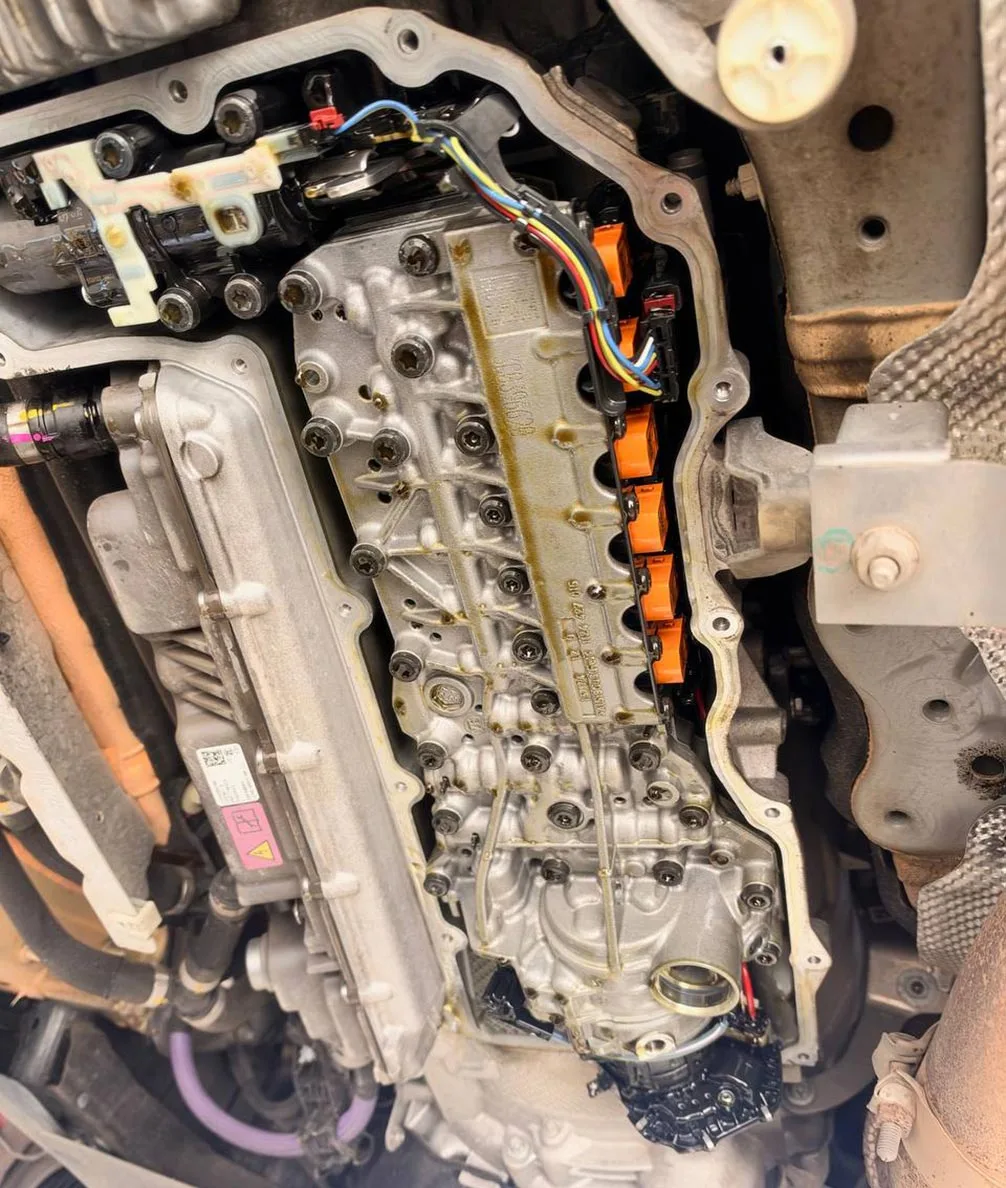
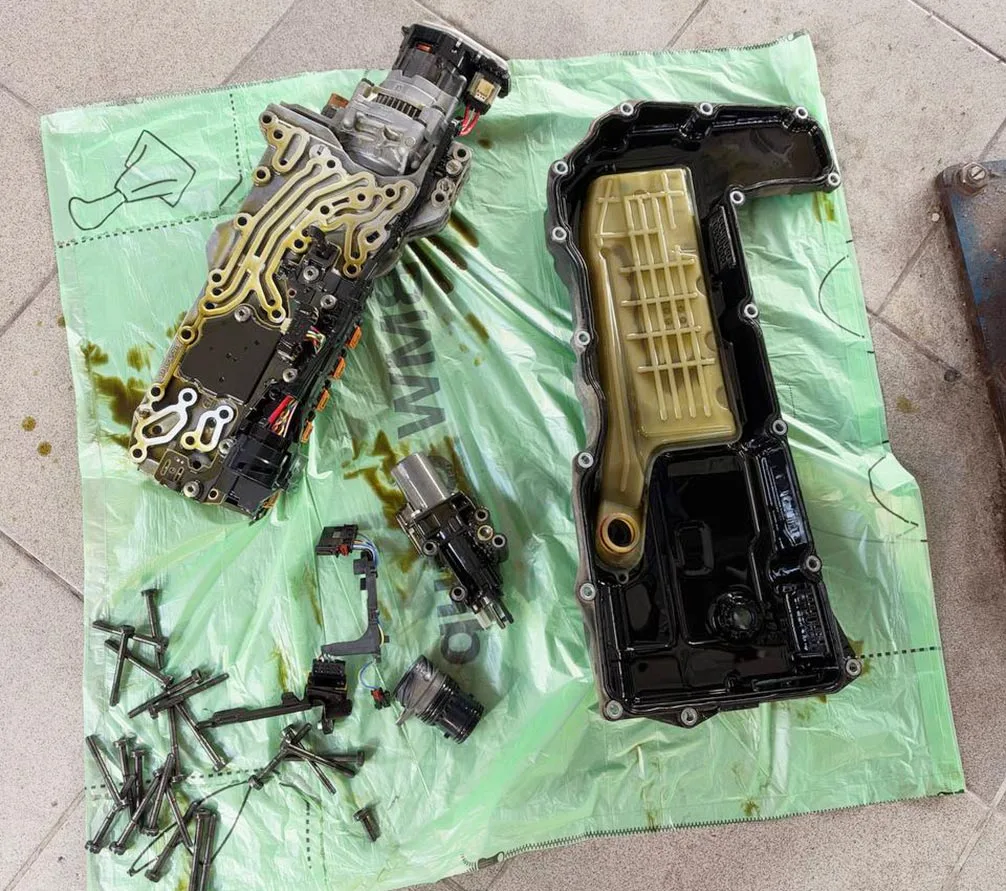
The mechanic went further than a standard oil change:
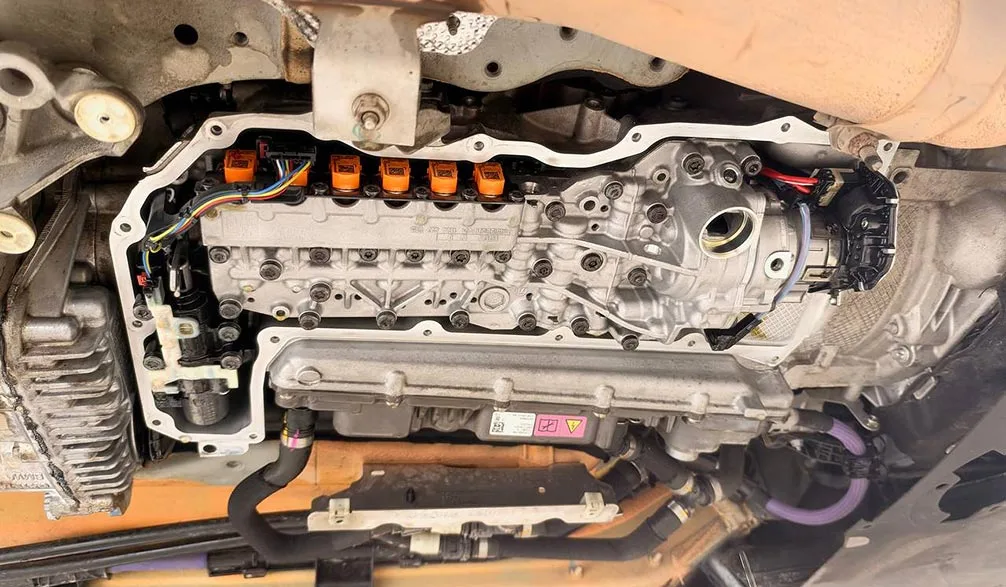
- He removed the mechatronic unit (the gearbox’s hydraulic and electronic control block) to clean its internal screens, which are usually left alone.
- He checked all the oil channels and circuits and cleaned them with a special spray.
- He checked every solenoid and resealed the mechatronic unit.
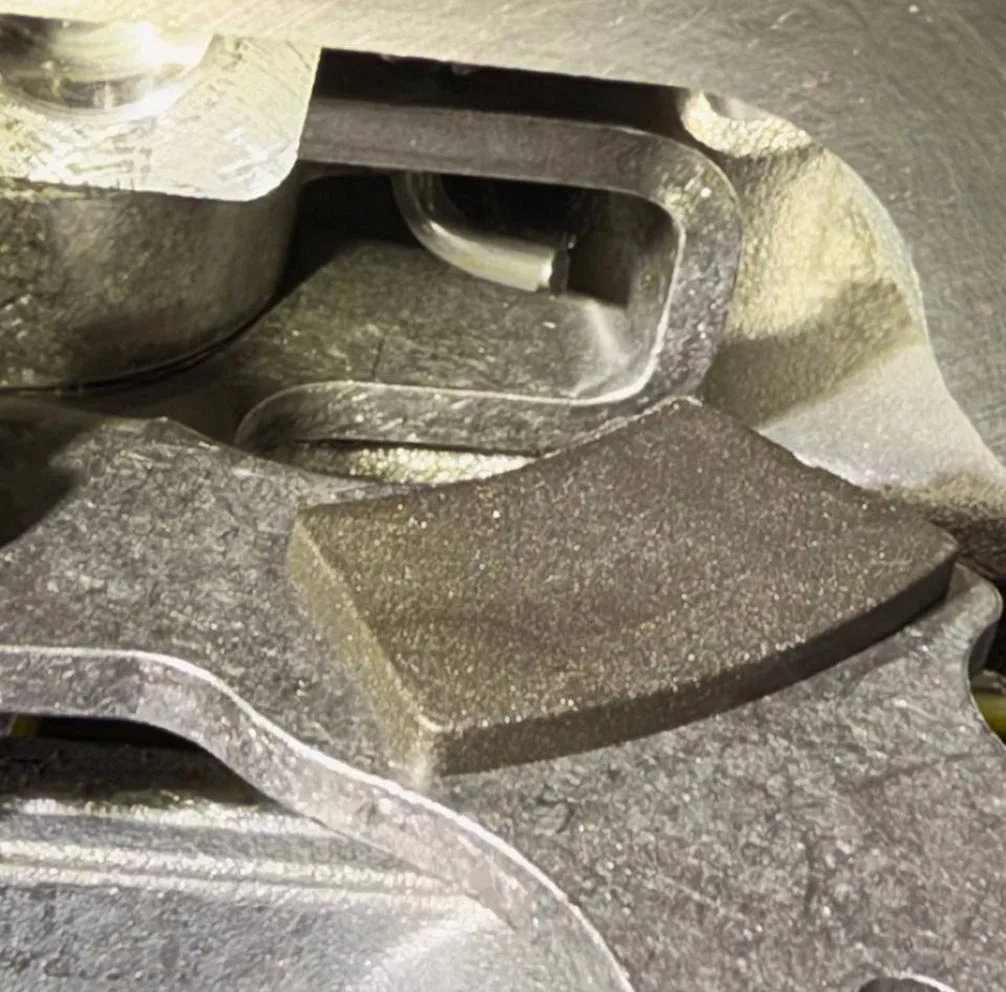
- He cleaned the big magnet inside the gearbox, which catches metal particles from normal wear of the clutch packs and gears.
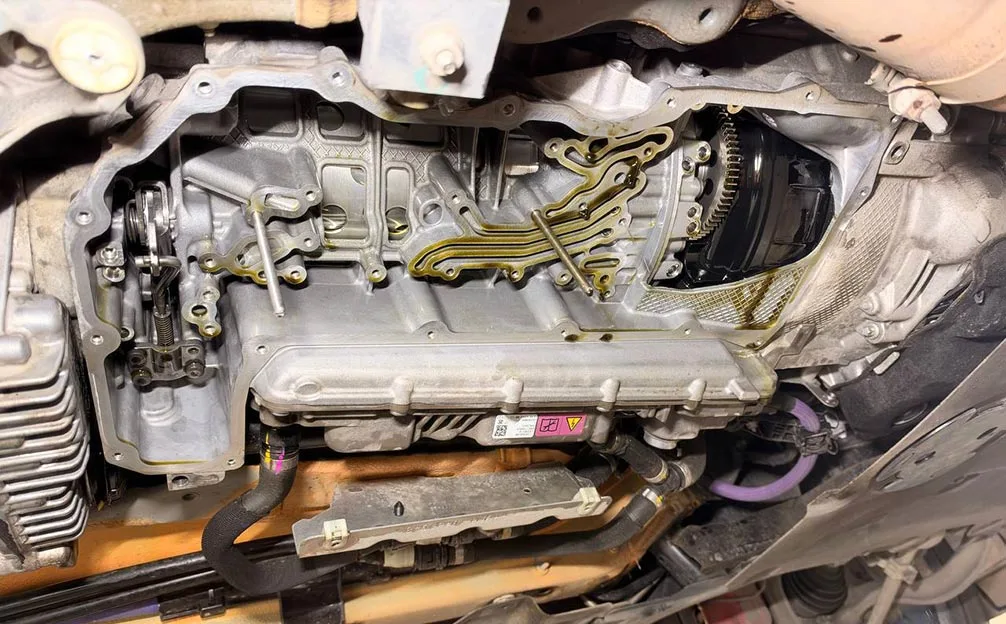
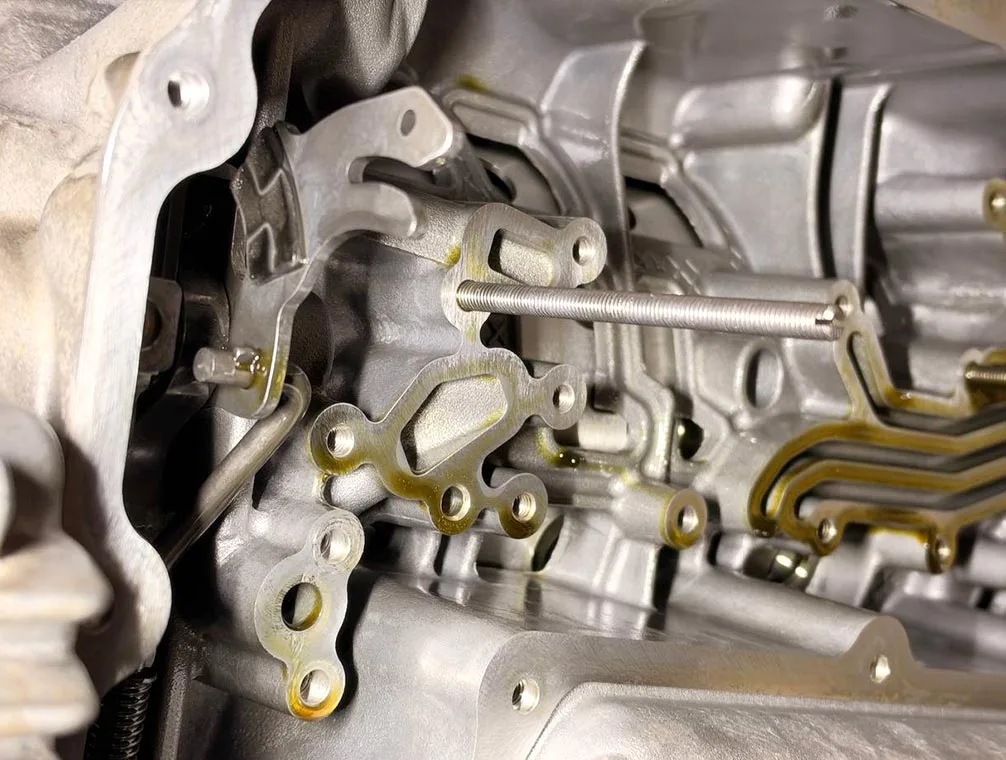
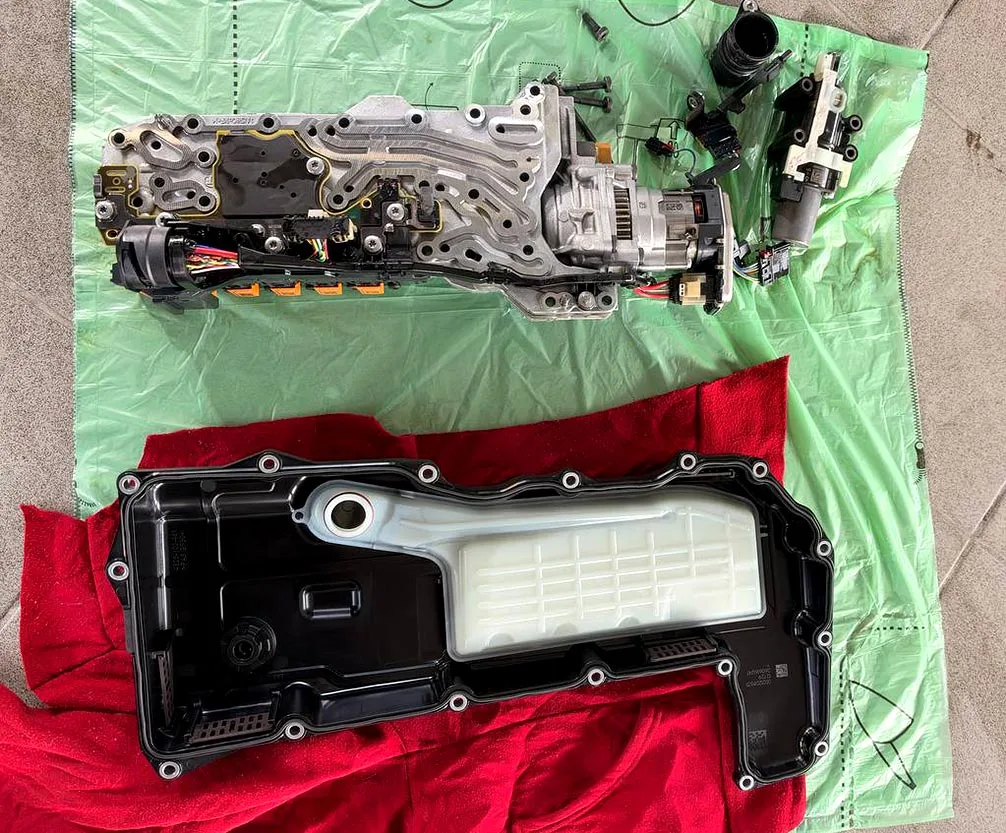
There were some fine metal particles on the magnet. The mechanic said the amount was completely normal, but it showed once again why changing the oil and cleaning the gearbox is worth doing.
Refilling the oil is a procedure, not just a top-up
The ZF 8HP holds more than 8 liters of oil, but only about 6.5–7 liters drain out. That leaves 1.5–2 liters of old oil inside. To replace it, the old oil is flushed out with new oil, at the correct temperature, until clean oil comes out. Only then is the final level set. Done this way, about 99% of the oil in the gearbox is new, nothing else gets into the circuit, and no part runs dry on the first start.
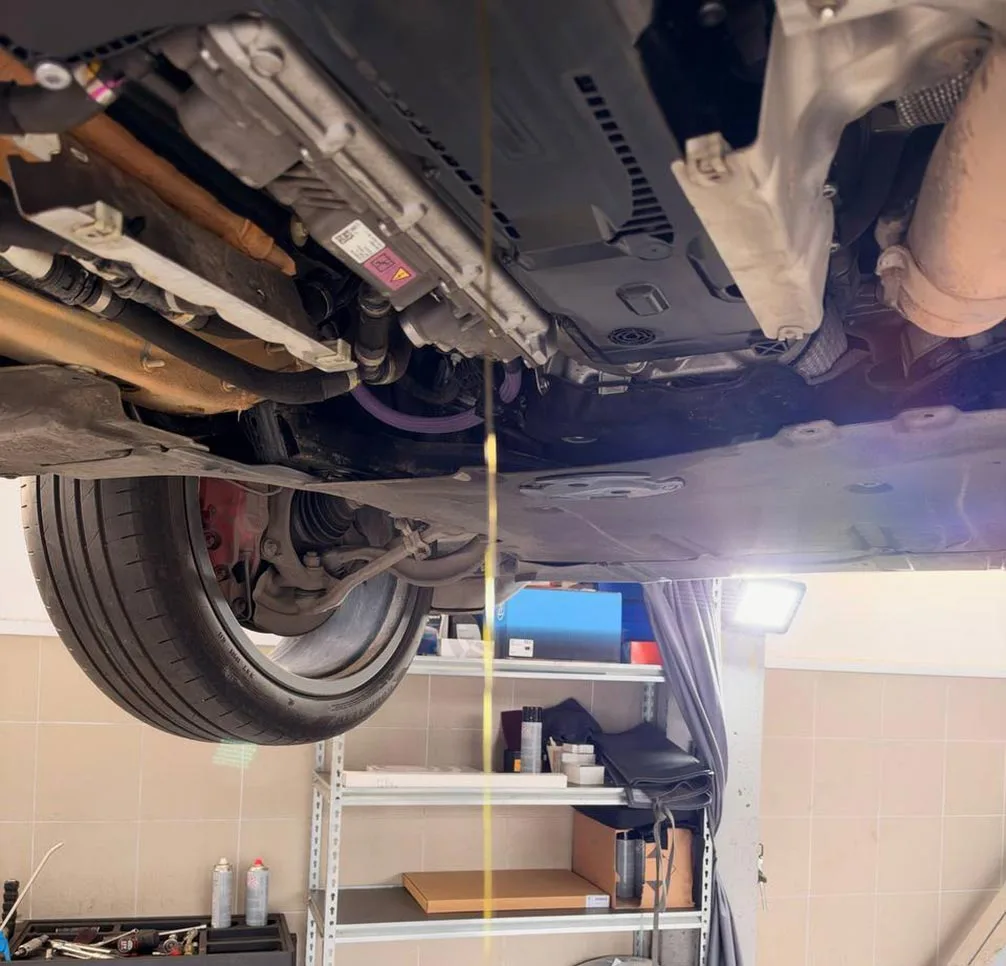
Because the mechatronic unit was removed, it then had to be reset with a diagnostic computer. This also erases the gearbox’s “memory”: the adaptations it uses to decide how fast and when to shift in different situations.
So for the first few kilometers the shifts are very slow. Ideally, the gearbox needs up to 500 km (about 300 miles) of gentle driving, without full acceleration, to relearn everything. In this case, the first 5 km were very slow, the gearbox was almost back to normal after about 100 km, and between 100 and 500 km it already felt completely normal.
How much it cost
- Labor: about €250
- BMW / ZF oil, 9 liters: about €805
- Other kit parts (oil pan with filter, seals): about €497
- Total: about €1,552
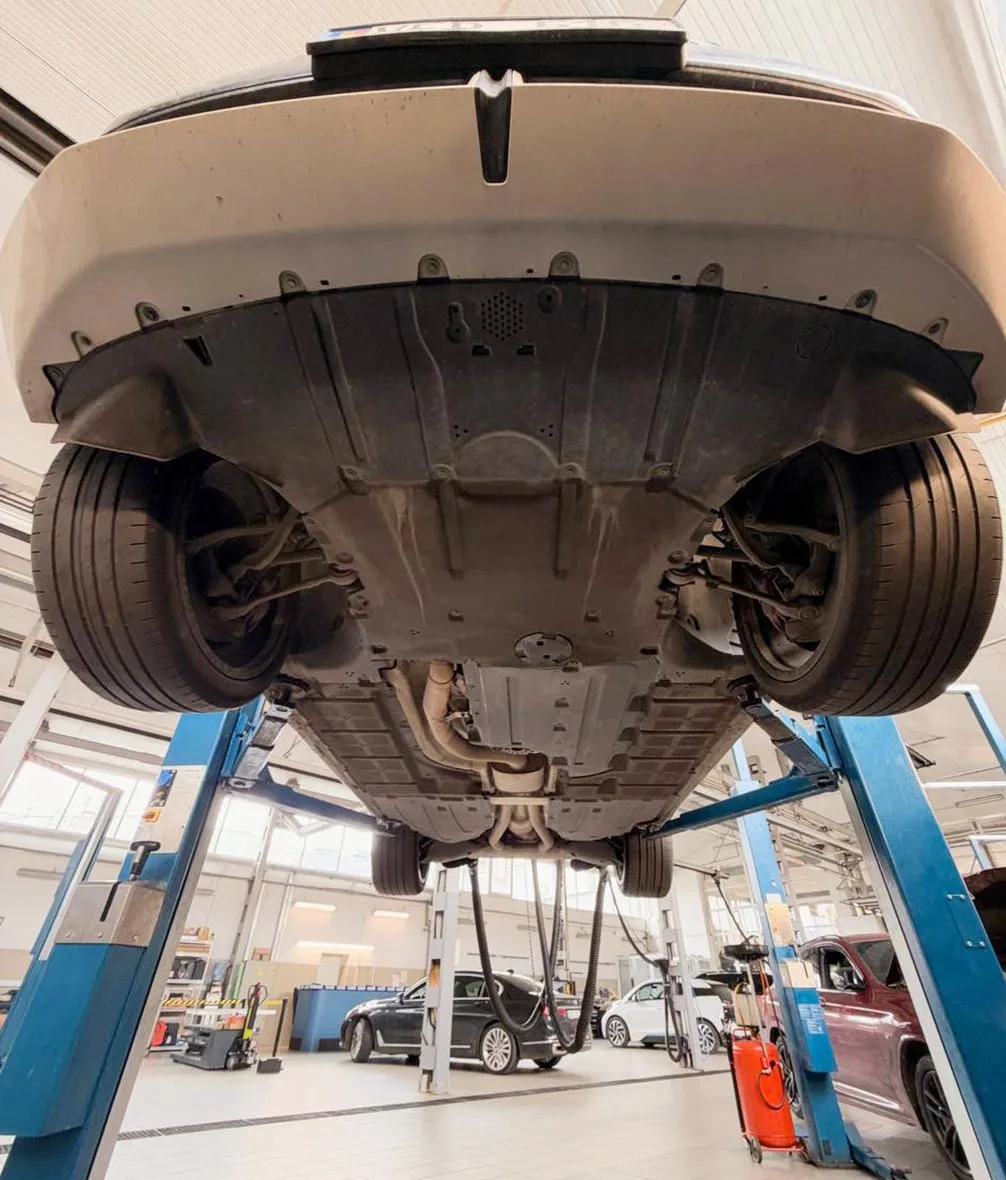
That is a lot of money. For comparison, a DSG oil change on a Skoda cost him about €900 five years earlier. But this gearbox is built for much more power, in a 400 hp car. Done every 75,000–80,000 km, it works out to roughly €200 per 10,000 km, and it keeps the gearbox in perfect condition for much longer. A gearbox rebuild or replacement later would cost far more.
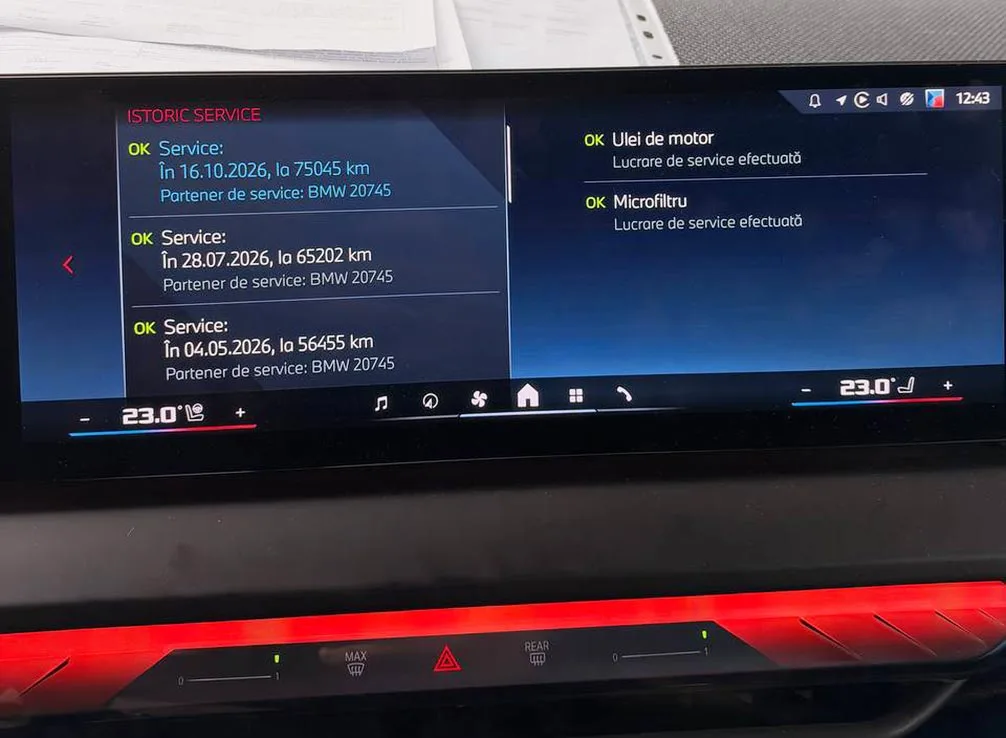
After the job, the gearbox works perfectly, and the X3 M50 with its 3.0-liter B58 inline-six is as smooth as ever.

Doing it yourself, or checking your shop’s work
The fill procedure, the oil temperature, the torque values for the new pan and the mechatronic reset are all in the BMW factory repair manual for your car. If you want to do this job yourself, or just make sure your shop does it right, get the exact manual for your VIN: BMW X3 factory repair manuals, or browse all BMW repair manuals.